
We don't have to wait to support the millions of people juggling work and care.


The Netherlands Institute for Social Research has published a report on people who combine paid work with informal care. Its conclusion is clear. Nearly three million people now juggle a job while caring for a loved one, and that number will only grow as our population ages and more people continue living at home.
The report rightly points to the challenges. Work, healthcare and government are still poorly connected. Informal carers carry a heavy burden, bureaucracy gets in the way, and too often they don't receive the recognition or support they deserve.
But while reading the report, one thought kept coming back. We don't have to wait for a perfect system before we start making a difference. Many of the solutions already exist. They are already being used. And they are already delivering measurable results.
The challenge isn't willingness. It's implementation.
Most employers genuinely want to support employees who are informal carers. Healthcare professionals want what's best for patients and their families. Government wants people to stay healthy, working and independent for longer.
The problem is that these worlds still don't connect well enough.
After years of investing in digital health, I've become convinced that success is rarely determined by technology alone. It comes down to whether solutions actually reach the people who need them and whether they demonstrably reduce pressure on the system. That's exactly what we're seeing across our portfolio.
Saar aan Huis: giving families room to breathe
Saar aan Huis provides trusted support at home, allowing family members to be sons, daughters and partners again instead of becoming full-time carers alongside their jobs.
The impact is tangible. In 2025, Saar aan Huis supported more than 9,000 informal carers, enabled 4,500 people to continue living independently at home, freed up the equivalent of 250 full-time care professionals and prevented €40.5 million in healthcare and societal costs.
Behind those numbers is something much simpler. A daughter can go to work knowing her father is well looked after. A son no longer has to coordinate every aspect of care between meetings. That's what real relief looks like.
OpenUp: preventing overload before people drop out
Caring for someone doesn't only take time. It takes an emotional toll. OpenUp gives employees direct access to psychologists, self-guided support and group sessions through their employer, without referrals or waiting lists. For many people, that support arrives before stress turns into burnout or long-term sick leave.
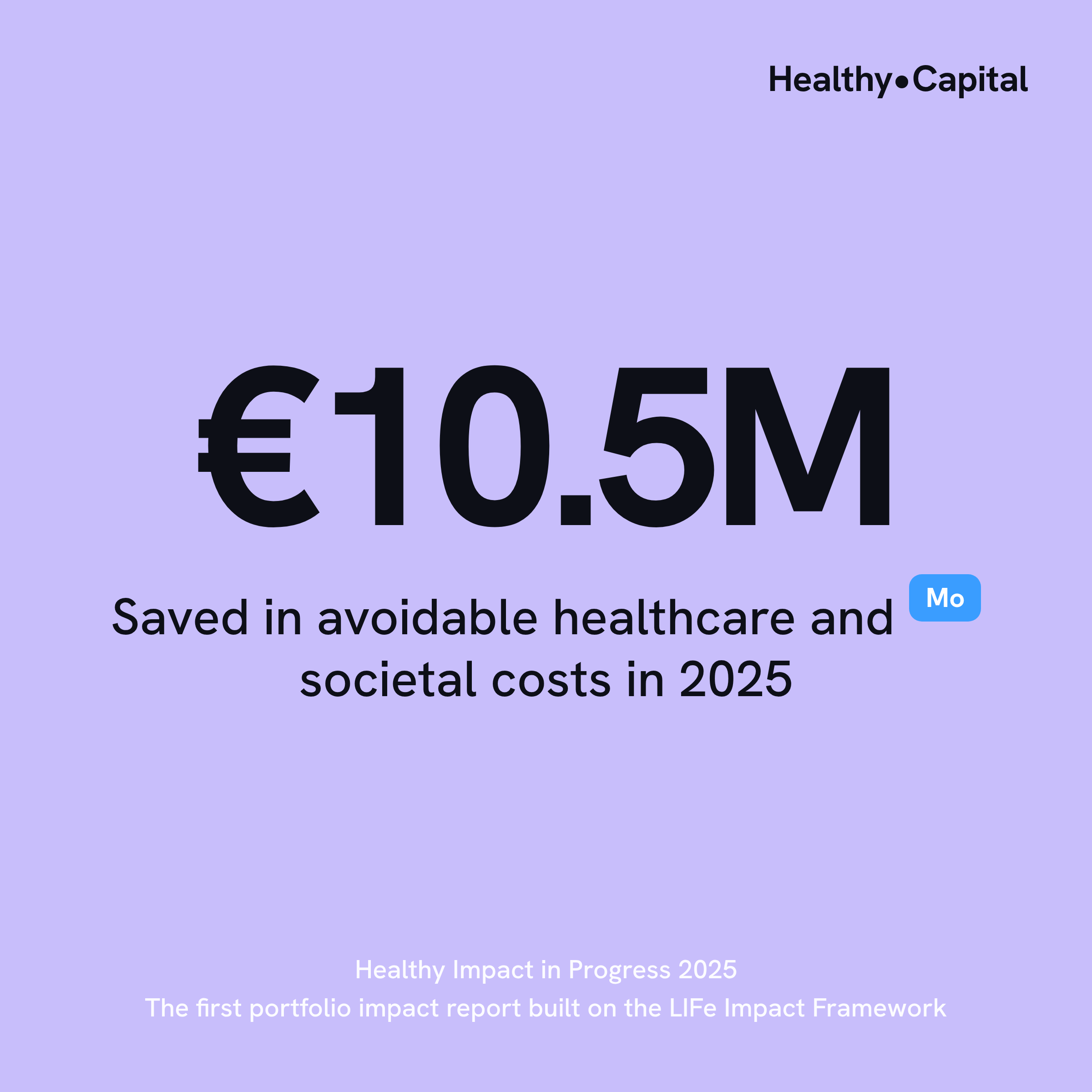
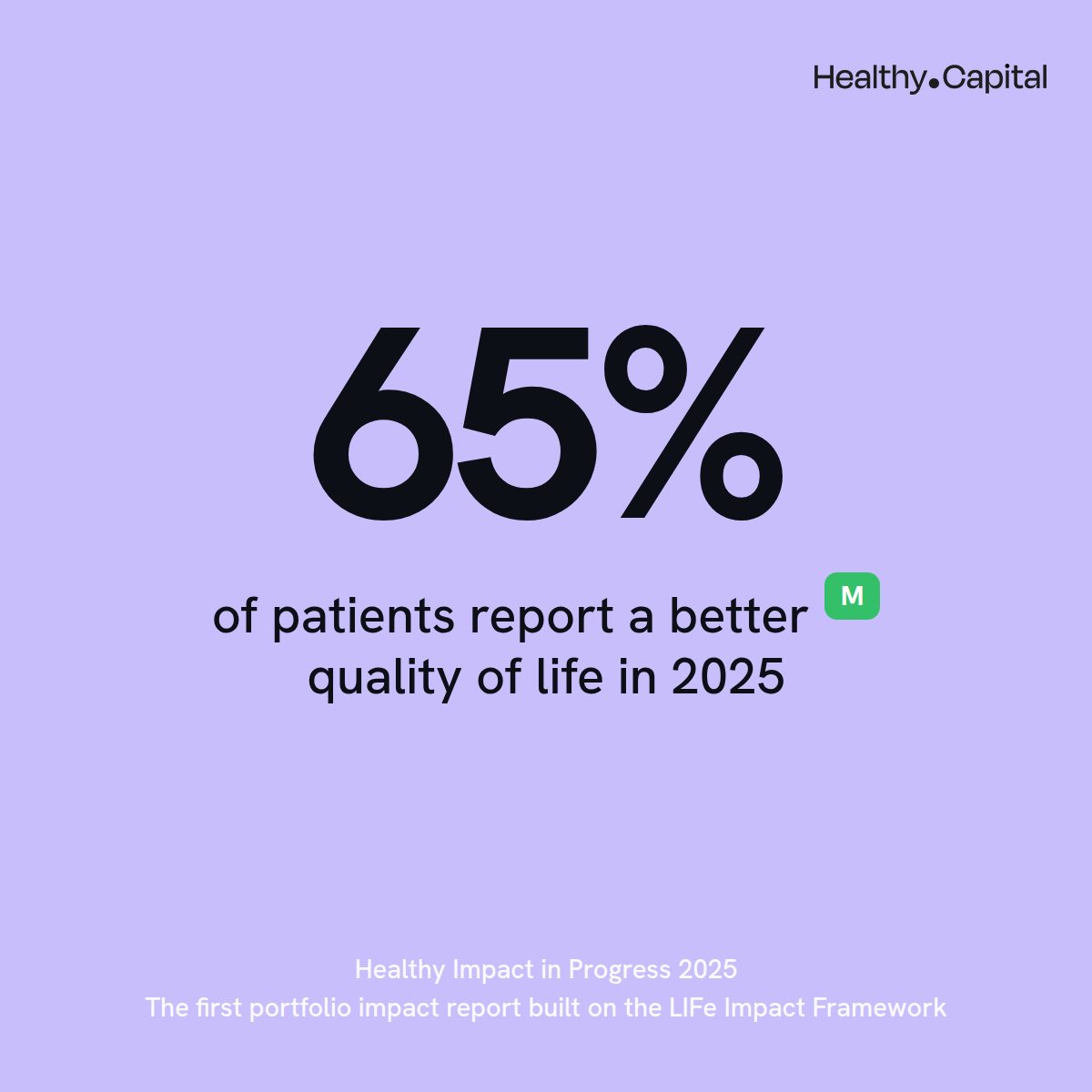
In 2025, OpenUp prevented €10.5 million in avoidable healthcare and societal costs, freed up 17.5 full-time equivalents within mental healthcare, and 83% of employees reported improved wellbeing after using the platform.
Impact and business value go hand in hand
This is exactly why we invest in digital health. The same solutions that improve people's lives also make healthcare more affordable and increase capacity. Better care and stronger businesses don't compete with each other—they reinforce each other.
That's also why we measure impact instead of simply talking about it.
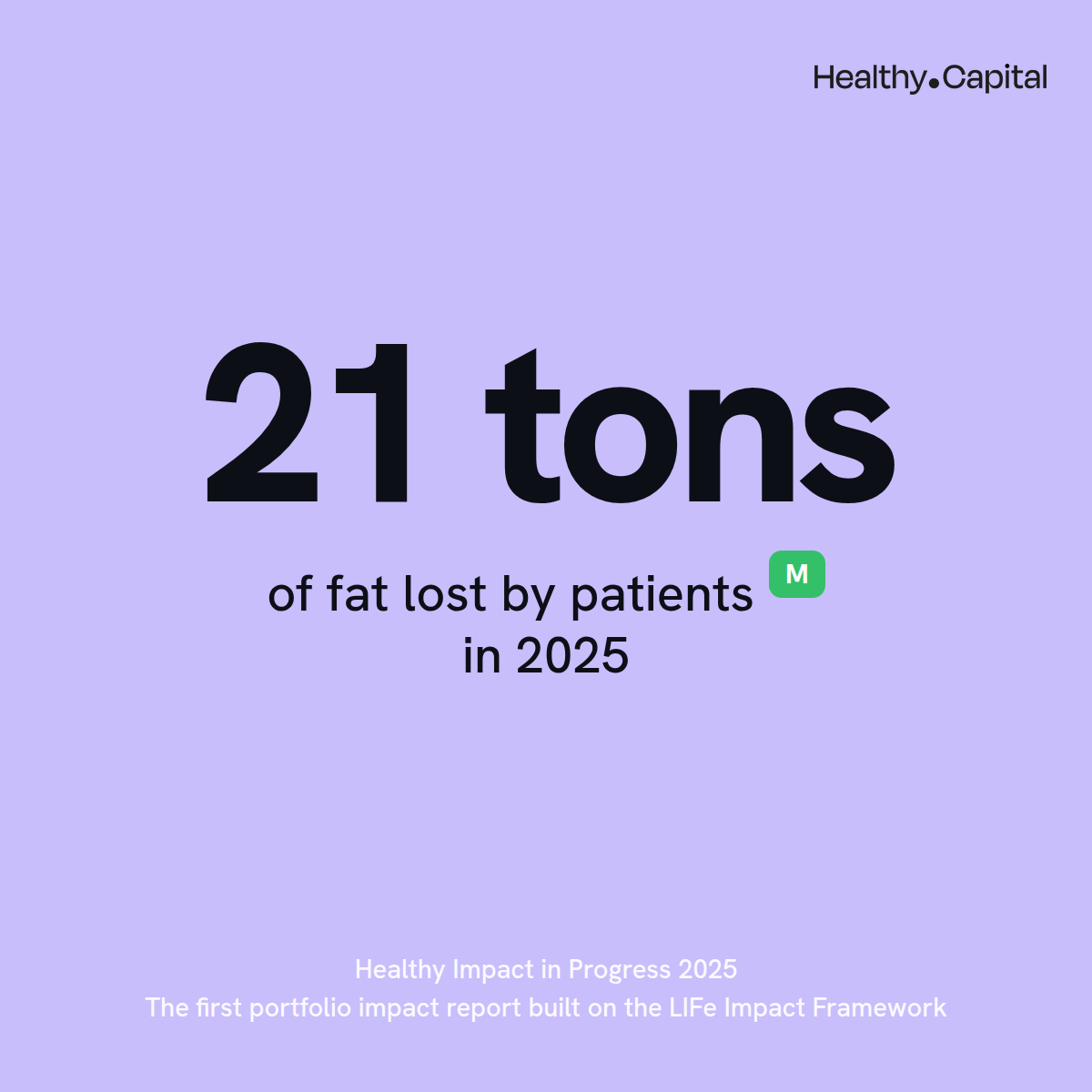
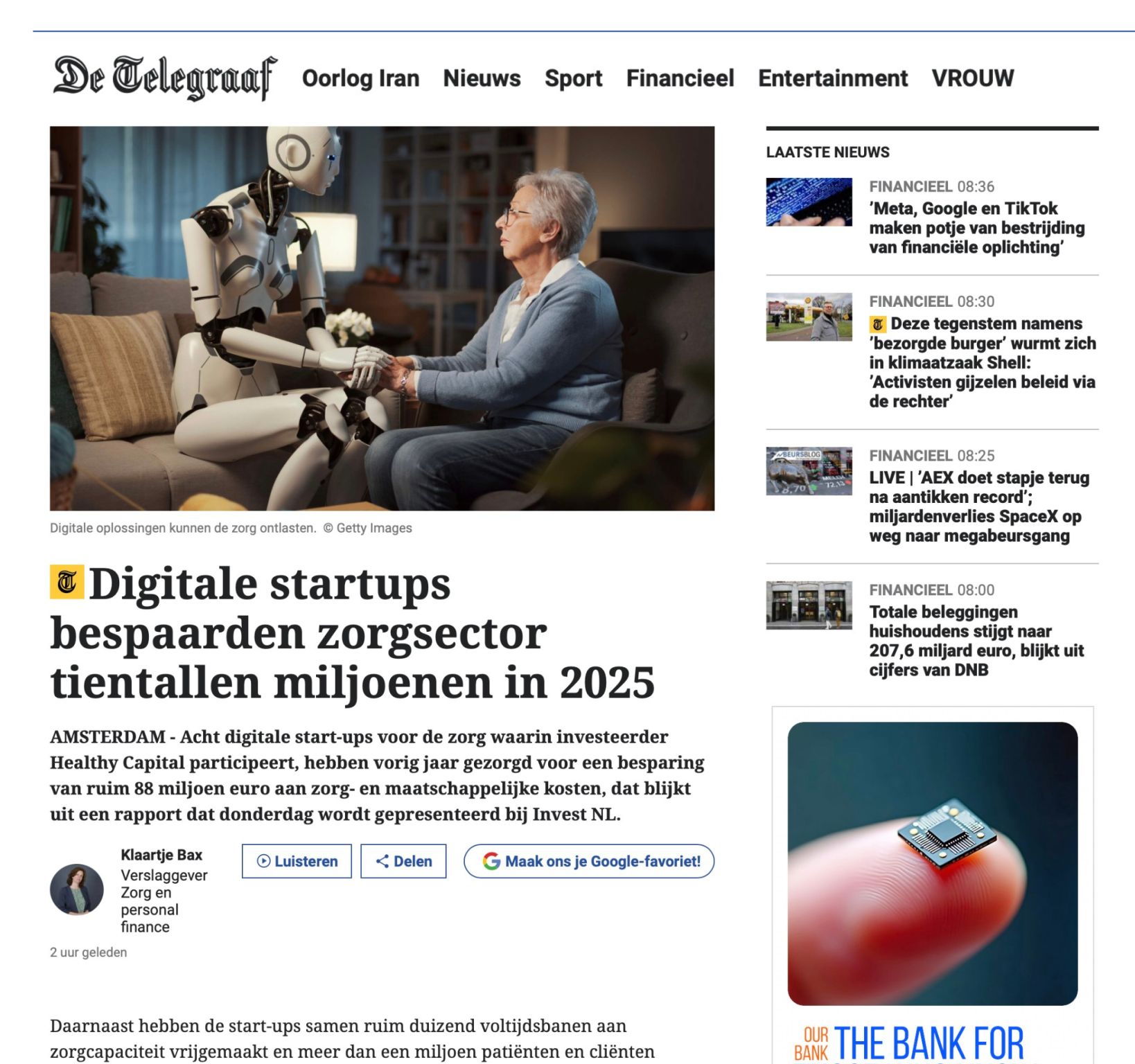
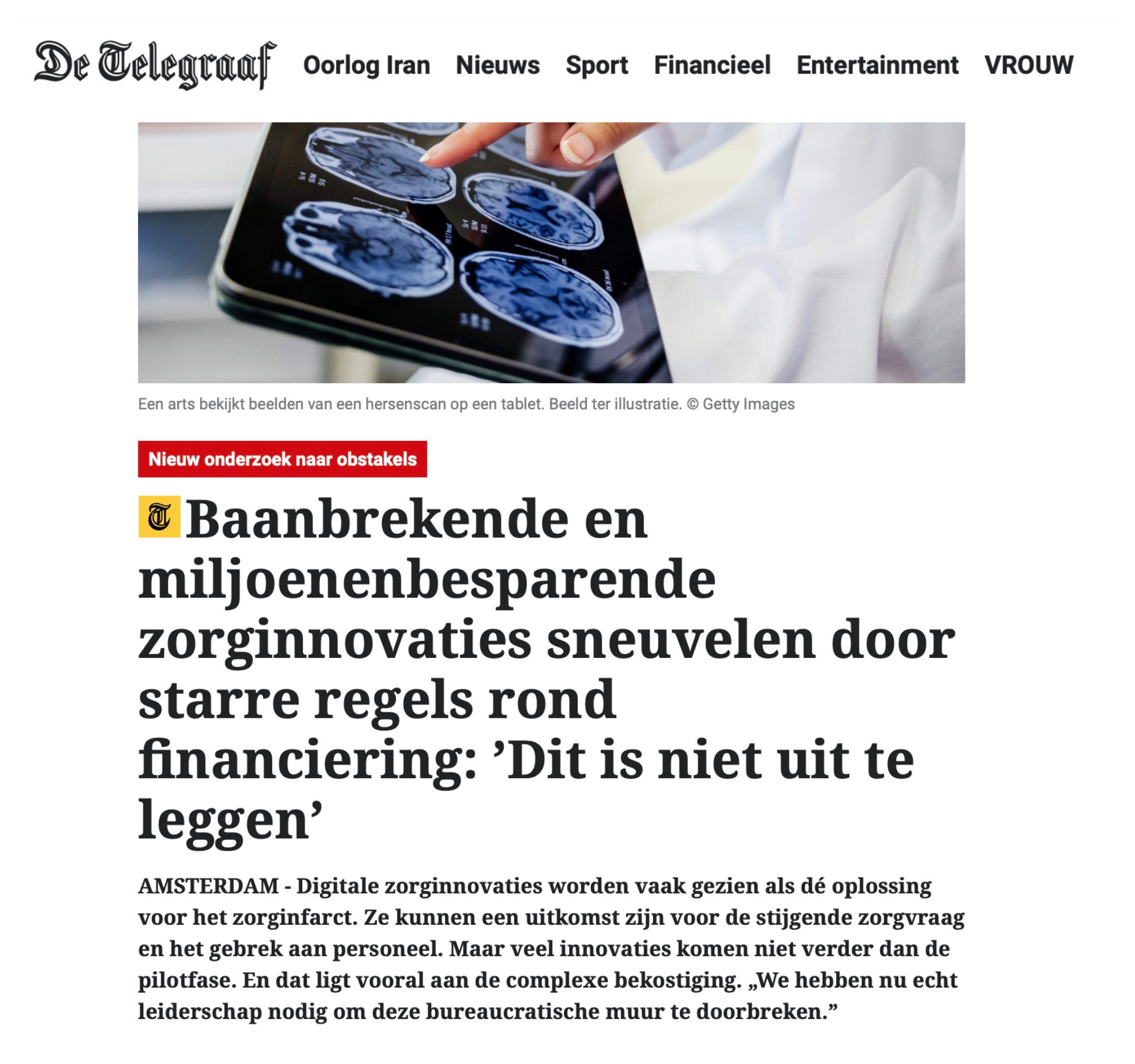
In our Healthy Impact in Progress 2025 report, we measured ten portfolio companies. Together they prevented €88.3 million in healthcare and societal costs during 2025 and freed up the equivalent of 1,015 full-time healthcare professionals. Not assumptions. Measured results.
What happens next?
The researchers are right: no single organisation can solve this challenge alone. Employers, healthcare providers and government all have a role to play. But we don't need to wait until the system is perfectly organised. We already know which solutions work. The opportunity now is to scale them faster, so millions of working carers receive the support they need today, not years from now.
The pressure on informal carers will only continue to grow. The good news is that part of the solution is already here. And we can prove it.
Read more




.png)




-3.png)
-2.png)

.jpg)


